

The January 2026 Nutrition & Supplementation in Clinical Care Conference in California is a reminder that outcomes rarely come from one tool. In traditional Chinese medicine in San Francisco, that means pairing orthopedic care with herbs and lifestyle coaching that supports pain management. It’s about staying active and spending less time sidelined by flare-ups.
Why is this conversation timely in 2026
Integrative clinicians are paying closer attention to what drives healing day to day: sleep, inflammation load, and product quality. Conferences like this one reflect a demand for evidence-informed strategies that are safe and manageable for busy schedules.
Modern TCM is more than acupuncture
Acupuncture is often the entry point, but clinical TCM also includes herbal medicine and lifestyle counseling. At Alchemy Acupuncture, Dr. Sarah Maiden’s doctoral training and advanced clinical experience in Chinese herbal medicine inform a structured, personalized system—built on intake, pattern differentiation, and formulas tailored to the individual rather than a generic “one-size” product.
Lifestyle counseling matters, especially for Bay Area patients who train hard and work long hours. A good plan accounts for hydration, micro-breaks, mobility work, and the timing of recovery (not just the intensity of workouts).
Orthopedic acupuncture + herbs: a practical pairing
For active San Franciscans, pain is often a combination of inflammation, overloaded tissue, and compensation patterns that repeatedly irritate the same area. Orthopedic acupuncture protocols focus on restoring function: reducing guarding, improving range of motion, and helping the nervous system stop treating movement as a threat.
Herbs can complement the pain management process. Clinically selected formulas may be used to support a healthy inflammatory response, tissue recovery, and resilience during higher training loads—especially when you’re managing repetitive strain, tendon irritation, or a long-standing “twinge” that never fully resolves. Dr. Maiden’s training includes sports-medicine apprenticeship and ongoing orthopedic coursework, which helps tie hands-on assessment to the treatment plan.
Sports injuries, desk injuries, and the gray zone in between
San Francisco’s most common injury pattern is a hybrid: you sit for hours, then ask your body to sprint, climb, cycle, or lift. That’s why we see the same clusters again and again—neck and shoulder tension, low back stiffness, wrist strain, hip tightness, and headache patterns that blend stress and posture.
An integrative plan addresses both ends of that spectrum. In the short term, treatment aims to lower pain and improve movement. Over a few visits, the goal shifts to rebuilding capacity: better mechanics, fewer flare-ups, and a maintenance rhythm that keeps you active without constantly “starting over.”
Why practitioner-prescribed herbs are different from supplements
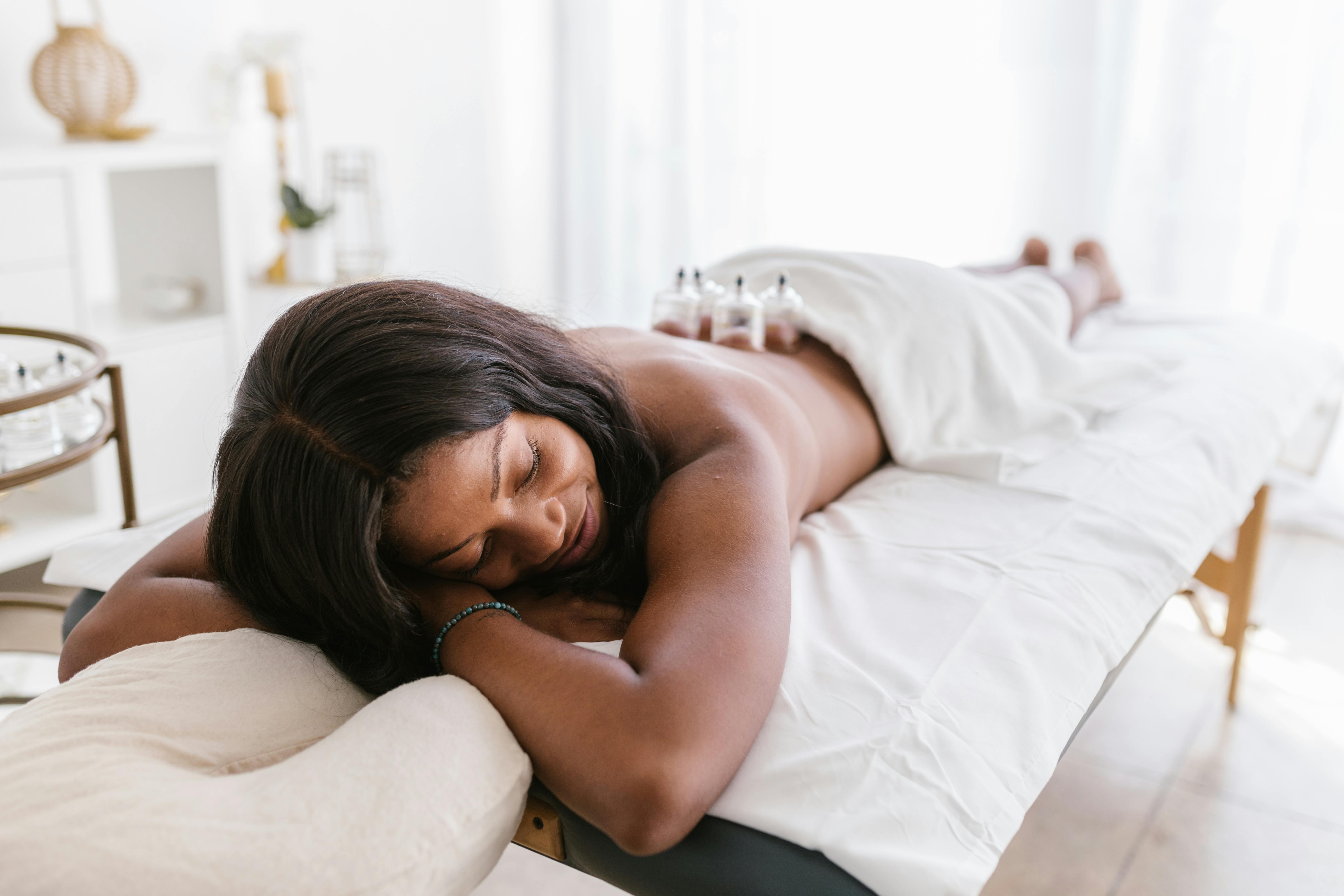
Cupping therapy is increasingly used alongside acupuncture to improve circulation, mobility, and post-training recovery.
Over-the-counter supplements are often self-selected, stacked, and taken without a complete understanding of potential interactions or proper dosing. Practitioner-prescribed herbal medicine is different in three key ways:
- Formulation quality and sourcing: reputable dispensaries, consistent standards, and better traceability.
- Individualized dosing: amounts and form (tea, powder, tincture, topical) matched to your constitution and goals.
- Safety screening: accounting for medications, pregnancy, chronic conditions, and red-flag symptoms.
In other words, herbs aren’t just supplements. They’re part of a care plan—and they should be treated with the same respect as any other clinical tool.
Build your 2026 plan
If you want fewer setbacks and more capacity, think in phases: calm the flare, restore function, then maintain. Explore conditions, see our modalities, or contact us to map a plan that fits your training and your schedule.
When you’re ready, a combined approach—Chinese herbal remedies in San Francisco alongside orthopedic acupuncture in San Francisco, CA—can be a steady, non-opioid way to support performance and long-term recovery.